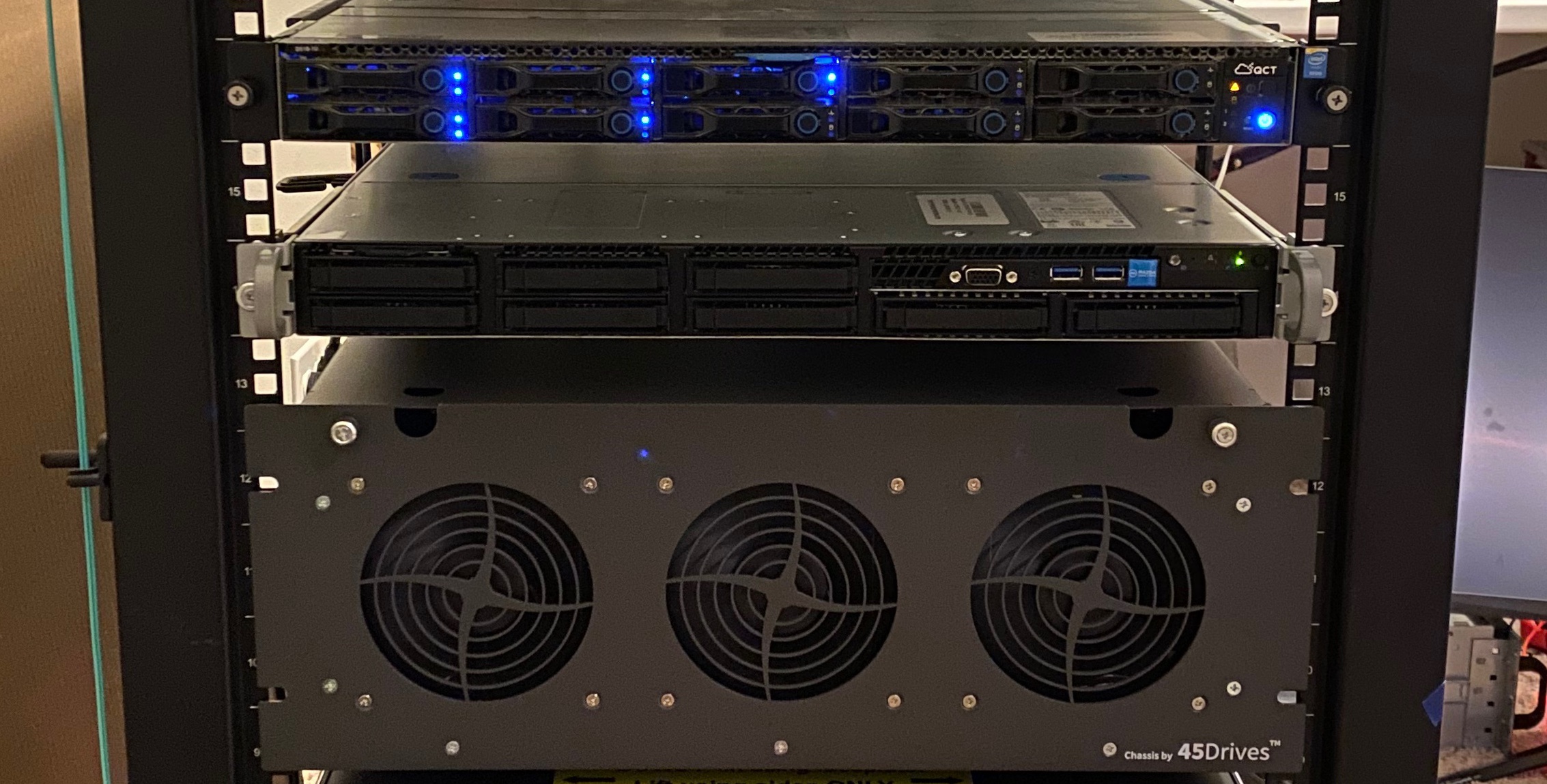
Own Your Infrastructure
Hybrid and on-prem solutions built and operated from real hardware.
consulting services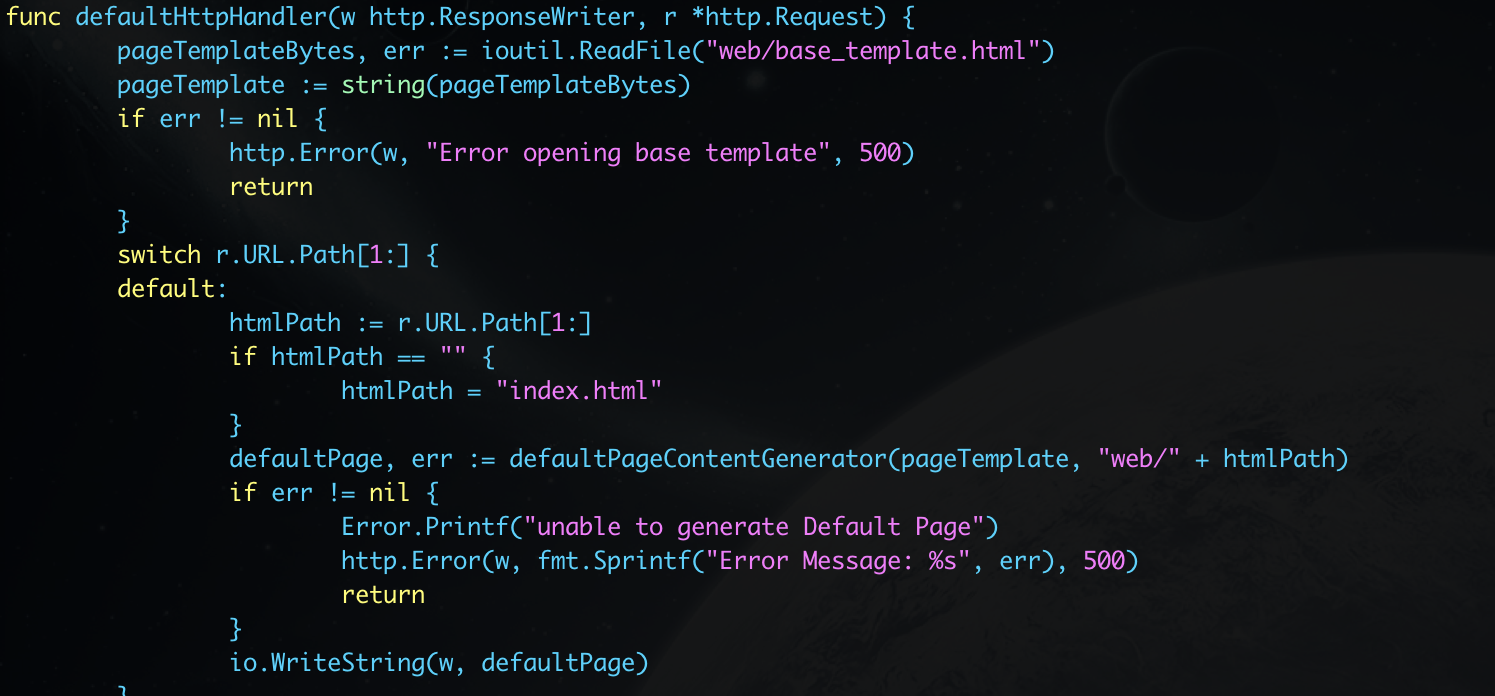
Built in Go. Deployed on k3s.
This site runs on a self-hosted Go backend on Kubernetes. Not a cloud bill in sight.
view on GitHub
From Bare Metal to Cloud
Seven years at AWS. Rackspace sysad roots. Hardware-to-application depth.
about
capabilities
From bare metal to cloud.
Nearly seven years at AWS and sysad roots at Rackspace — infrastructure and systems engineering with full-stack depth from the kernel up through distributed cloud workloads.
Cloud & AWS Infrastructure
EC2, VPC, IAM, and Linux-based workloads at AWS scale. Build, migrate, and operate cloud infrastructure — with CSE-level debugging depth behind every design decision.
EC2 AWS VPC IAM migrationSystems Engineering
SysDE experience designing and shipping systems infrastructure. Linux sysad at Rackspace, AWS tooling contributor, and daily operator of self-hosted Kubernetes on bare metal.
Linux k3s Kubernetes automation sysadSoftware Development
Backend-focused development in Go and Python. APIs, tooling, and custom CS solutions built for real infrastructure environments — not abstract cloud-only assumptions.
Go Python APIs tooling consultinghybrid infrastructure
The pendulum is swinging back.
The industry is shifting — organizations that over-rotated to public cloud are rediscovering the value of on-premises and hybrid architectures. Cost control, data sovereignty, latency, and operational ownership are all driving the move back toward owned infrastructure.
JBE Computer Solutions is positioned for exactly this transition. With deep AWS fluency and hands-on bare-metal systems experience, the work here bridges both worlds — designing hybrid solutions that put the right workloads in the right place, whether that's your rack, a colocation facility, or a cloud provider.
discuss your infrastructure →this site runs on
Not a managed platform. Not a SaaS page builder. This is what the work looks like.
services
Ethereum Node Operation as a Service
On September 15, 2022, Ethereum moved from Proof of Work (PoW) to Proof of Stake (PoS) for consensus and execution layers. Ethereum Node Operators (Validators) perform consensus and execution operations on the network and collect fees for proposing blocks, attesting to the validity of proposed blocks, and participating in sync committees. The expected ETH APY is expected to settle somewhere between 5% and 10%.
Real-world data from the first validator (up for nearly 1 year) shows a monthly return from execution and consensus client rewards of ~0.073807 ETH per minipool per month. Performance statistics can be viewed on the rpool.bretwards.eth rocketscan page. This results in ~0.885684 ETH/yr (~5% ETH APY, excluding sync committee rewards).
Rocketpool node operators also earn RPL rewards every 28 days and smoothing pool rewards on the same schedule. Combined execution, smoothing pool, and RPL inflation payments put total per-minipool revenue at roughly 0.1048 ETH/month. Break-even on AWS is ~$250/mo (r5a.large + 2TB storage). At $1,000–$2,000/ETH, 7 minipools net ~$480/month.
- M1: Scale local private validator nodes to 10 minipools to build working capital for reinvestment.
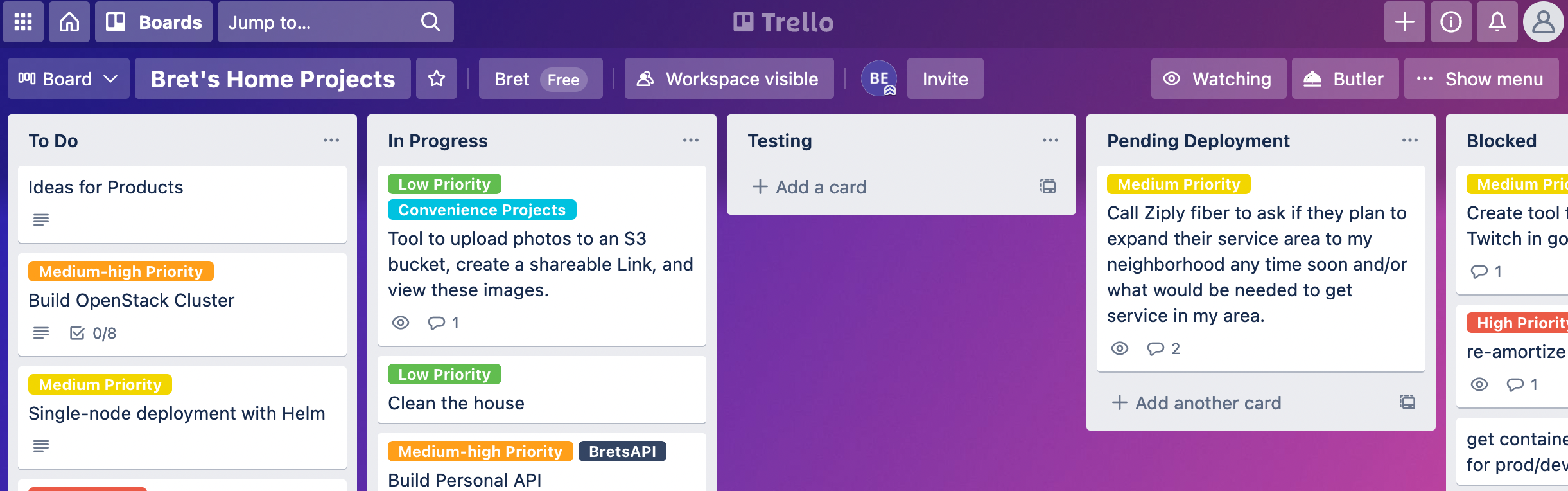
- M2: Build Kubernetes cluster to house Rocketpool validator components; create operational configs for rapid cluster setup.
- M3: Create docker-compose configuration to load on Kubernetes and allow manual scaling for new validators.
- M4: Create database to track owned nodes, associate with keys and unique container IDs.
- M5: Automate reserve tracking and new validator/container/host/cluster launch; develop rules to minimize costs and maximize rewards while maintaining fault tolerance.
- M6: Develop contracts and code allowing clients to automatically deploy and scale nodes by depositing funds.
- M7: Work through regulatory requirements to list tokenized node operation service reserves on tZERO.